The Need
Two Quotes…
Number One
“The measure of a society is found in how they treat their weakest and most helpless citizens.” Jimmy Carter

Two Quotes…
“The measure of a society is found in how they treat their weakest and most helpless citizens.” Jimmy Carter
“This is what the Lord Almighty said: “Administer true justice; show mercy and compassion to one another. Do not oppress the widow or the fatherless, the foreigner or the poor. Do not plot evil against each other.” — Zechariah 7:9-10, NIV
Poverty
U.S. Poverty Trends (2023–2024)
Overview
Recent data from the U.S. Census Bureau shows a mixed picture of poverty in the United States. The Official Poverty Measure (OPM) improved in 2024, while the Supplemental Poverty Measure (SPM) remained elevated, reflecting rising living costs and the expiration of pandemic‑era supports.
Key Findings
Official Poverty Measure (OPM)
Supplemental Poverty Measure (SPM)
Why SPM matters: It accounts for taxes, work expenses, medical costs, geographic housing differences, and non‑cash benefits — offering a more realistic picture of economic hardship.
Source: U.S. Census Bureau (Official Poverty Measure & Supplemental Poverty Measure)
Key 2024 Findings
What This Means
THE EMPLOYMENT SITUATION
Current Unemployment in the United States (BLS Data)
Overview
The U.S. labor market has cooled but remains stable. According to the Bureau of Labor Statistics, the national unemployment rate stands at 4.4% (December 2025). Job growth has slowed significantly compared to previous years, reflecting a “low‑hire, low‑fire” environment: few layoffs, but also limited new hiring.
Key National Indicators
Unemployment
Job Growth
Industries Adding Jobs
Industries Losing Jobs
State of Mental Health in America (2024)
Overview
Mental health challenges continue to rise across the United States, affecting both adults and youth at significant levels. The 2024 State of Mental Health in America report highlights widespread unmet needs, increasing rates of depression among young people, and persistent gaps in access to care. These trends reflect data collected from major federal agencies including SAMHSA, CDC, and the U.S. Department of Education.
Key National Findings
Adult Mental Health
Youth Mental Health (Ages 12–17)
Access to Care
States vary widely in access, with shortages of mental‑health professionals in nearly every region
Drug Abuse in the United States
Drug abuse remains a significant public health challenge in the United States, affecting millions of individuals across age groups. Patterns vary widely by substance, with marijuana, prescription drug misuse, and illicit drug use showing distinct trends among youth and adults. Data from the National Center for Drug Abuse Statistics (NCDAS) highlights the scope and disparities in usage rates.
National Center for Drug Abuse Statistics (NCDAS), 2023.
Age‑Group Comparison Snapshot (2023)
| Substance | Youth 12–17 | Adults 18+ |
| Marijuana | 11.2% | 22.9% |
| Opioids | 2.2% | 3.2% |
| Prescription pain meds | 2.2% | 3.1% |
| Prescription stimulants | 0.9% | 1.4% |
| LSD | 1.0% | 11.6% |
| Cocaine | 0.2% | 1.9% |
| Prescription sedatives | 0.3% | 0.4% |
| Methamphetamines | 0.2% | 1.0% |
| Heroin | 0.1% | 2.4% |

Trends in Homelessness
Source: U.S. Department of Housing and Urban Development (HUD), 2024 AHAR
Overview
Homelessness in the United States reached its highest level ever recorded in 2024. HUD’s annual Point‑in‑Time (PIT) count identified 771,480 people experiencing homelessness on a single night in January 2024. This represents a significant rise driven primarily by housing affordability pressures, rising rents, and increased family homelessness.
Key National Statistics
Total Homeless Population
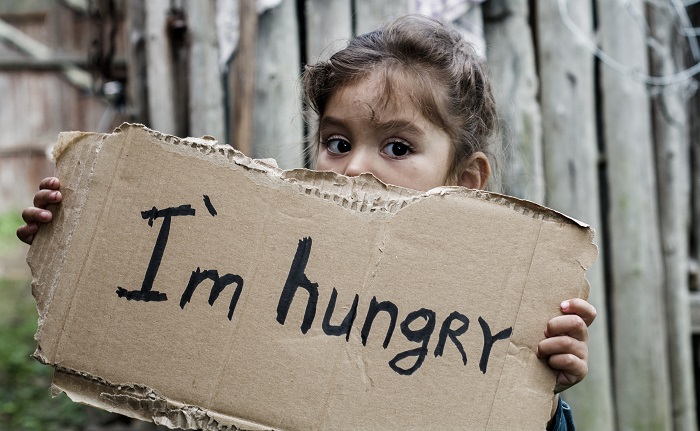
There is always a need, God use us as Your hands to supply it.
Father in the name of Jesus we pray for everyone who is not experiencing your best life. Your Word says it is not enough to say “Go in peace; keep warm and well fed,” but does nothing about their physical needs, what good is it.
We bless every person, ministry, agency, government or private company… who has opened its heart to come to the aid of the needy in any way? We pray the blessing of more than enough for you to continue.